Does Homeowners Insurance Cover Roof Damage?
Severe weather can compromise your home in minutes. When strong winds tear away shingles or hail pounds your decking, the immediate concern is financial: does homeowners insurance cover roof damage?
In short, standard policies protect against sudden, accidental perils like wind, hail, falling trees, and fire. However, coverage stops when the problem stems from general wear, lack of maintenance, or aging materials. Knowing the exact line between covered perils and excluded perils helps you navigate the claims process without costly surprises.

Understanding What Homeowners Policies Typically Cover
Homeowners insurance serves as a financial safety net designed to protect properties from unexpected, catastrophic events. Most standard policies (such as HO-3 special form policies) cover your dwelling on an “open perils” basis, meaning damage is covered unless the cause is specifically excluded.
Covered roof damage generally falls into clear categories:
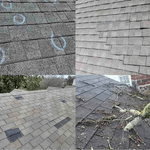
- Hail Damage: Dents, punctures, or fractured shingle mats caused by hailstones.
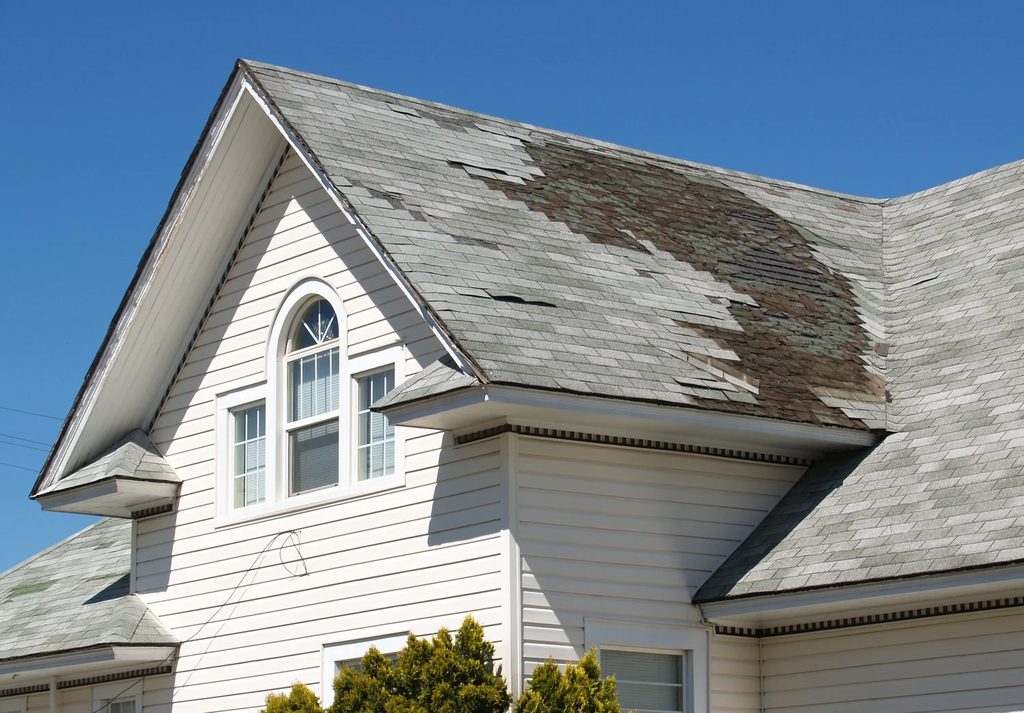
- Wind and Storm Damage: Shingles torn away, lifted flashing, or water intrusion directly caused by gale-force gusts.
- Falling Debris: Heavy tree limbs snapping during a storm and impacting the roof deck.
- Fire and Lightning: Structural burning or burn-through caused by direct strikes or residential fires.
- Weight of Ice and Snow: Collapse or structural failure resulting from heavy winter buildup.
When asking whether does homeowners insurance cover roof damage, timing and cause matter most. The damage must be sudden and accidental rather than the result of slow deterioration.
| Cause of Roof Damage | General Coverage Status | Primary Policy Conditions |
| Hail & Wind Storms | Typically Covered | Subject to wind/hail deductible; must be reported promptly. |
| Fallen Tree Limbs | Typically Covered | Covered if storm-related; excludes dead trees neglected by the owner. |
| Normal Aging & Wear | Excluded | Homeowner responsibility; preventable over time. |
| Rot & Mold Intrusion | Usually Excluded | Covered only if directly caused by a sudden, covered water intrusion. |
| Cosmetic Metal Marring | Policy Dependent | Cosmetic endorsements may exclude dents that do not cause leaks. |
Common Exclusions and Red Flags for Insurance Carriers
Insurance companies inspect the roof closely before releasing funds. Their adjusters evaluate the roof’s history and overall health to ensure the insurer is not paying for deferred homeowner maintenance.
The most common reasons insurance denies a roof claim include:
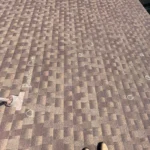
- Wear and Tear: Asphalt shingles naturally degrade over 20 to 25 years. Granule loss, brittleness, and curling from age are standard maintenance obligations.
- Neglect and Lack of Upkeep: If an adjuster finds that an active leak persisted for six months before you reported it, the insurer can deny coverage due to preventable water intrusion and rot.
- Pest and Critter Infestations: Damage from squirrels, raccoons, or wood-boring insects is excluded from property coverage.
- Flood and Earth Movement: Surface water flooding or foundation shifts that destabilize the roof require separate flood or earthquake endorsements.
According to consumer guidance from the Texas Department of Insurance, policyholders should review whether their contract includes specific roof deductibles or depreciated payment schedules based on the age of the structure.
Actual Cash Value vs. Replacement Cost Value
How your policy reimburses you determines your total out-of-pocket expense. Policies generally fall into one of two valuation structures:
- Replacement Cost Value (RCV): The insurer pays the full cost to repair or replace the damaged section with comparable materials at today’s prices, minus your deductible. Payments often arrive in two checks: the initial actual cash value upfront, followed by recoverable depreciation once the work is completed and invoiced.
- Actual Cash Value (ACV): The insurer deducts depreciation from the payout based on the age and condition of the roof. If a 15-year-old roof with a 20-year lifespan is destroyed, you receive only a fraction of the cost required to install a new one.
Many insurers now transition older roofs (often 10 to 15 years old) from RCV to ACV coverage automatically, highlighting the need for regular policy reviews.
Step-by-Step Guide to Filing a Roof Insurance Claim
Filing a successful claim requires documentation, speed, and clear communication. Handling the steps systematically protects your financial interests.
1. Document the Damage Immediately
As soon as the weather clears, photograph the property from the ground. Capture images of fallen shingles, dented gutters, broken siding, or indoor water spots on ceilings. Avoid climbing onto a damaged, wet roof.
2. Schedule a Professional Roof Inspection
Before calling your insurance carrier, bring in an experienced contractor to conduct a thorough physical assessment. Having an expert inspect the decking, flashings, and shingle integrity ensures that every trace of storm damage is documented. You can reach out to the specialists at 214 Roofing to uncover hidden vulnerabilities and review your options before opening a claim.
3. Contact Your Insurance Carrier
File your claim promptly. Many insurers require claims to be submitted within one year of the weather event. Provide the date of the storm, your photos, and the contractor’s preliminary inspection notes.
4. Attend the Adjuster Meeting
Your insurance company will send an adjuster to examine the property. Having your roofing contractor present on-site during this walkthrough ensures that both parties evaluate the same structural elements, leading to a fair scope of work.
Long-Term Maintenance to Protect Your Coverage
The simplest way to ensure your policy protects you when disaster strikes is staying proactive with roof maintenance. Keeping detailed service records, clearing debris from valleys, trimming overhanging limbs, and addressing minor sealant failures prevent insurers from claiming damage was caused by neglect.
When asking whether does homeowners insurance cover roof damage, remember that coverage protects against the unexpected, while maintenance preserves your property value year-round.